Spring Pasta Recipe
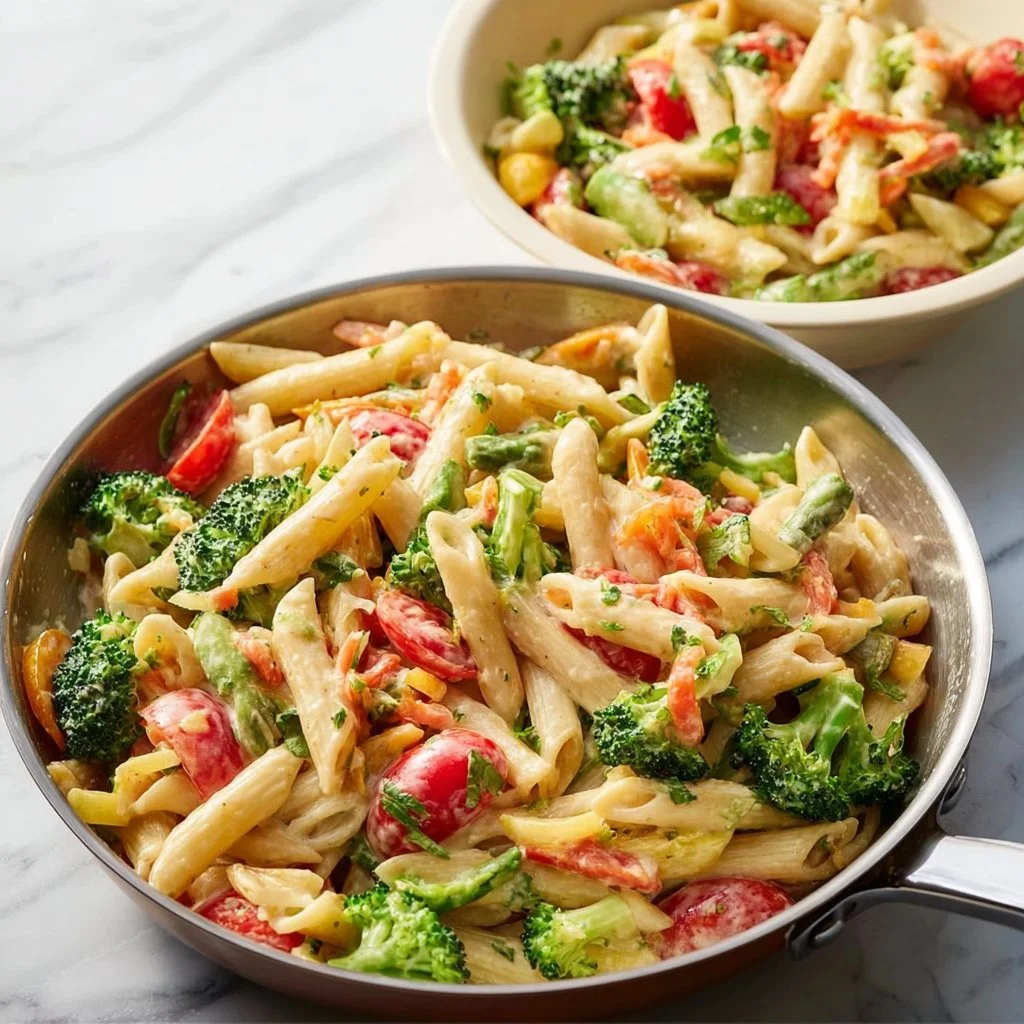
Spring Pasta is a bright, vegetable-forward pasta made with tender spring vegetables, lemon, garlic, olive oil, and al dente pasta for a fresh, year-round crowd-pleaser. Spring Pasta is a quick, lively one-pan meal that celebrates seasonal produce and light, vibrant flavors for an easy weeknight dinner or a pretty weekend lunch. Spring Pasta delivers color, texture, and that lemony lift we all crave when asparagus, peas, and radishes are at their peak. Spring Pasta is adaptable – add cheese, protein, or keep it vegetarian for a lighter plate.
Table of Contents
What Makes This Recipe So Special
This version of Spring Pasta balances silky pasta with crunchy spring vegetables and a zesty lemon-garlic finish. It leans on classic techniques used in popular recipes for pasta primavera and bright lemon-based pastas, while keeping the steps approachable. The combination of quick-blanched vegetables and a pan sauce made with reserved pasta water creates a silky coating that clings to every strand or tube. It’s also an easy pasta recipe to scale up for dinner parties without extra fuss.
Ingredients
- 12 oz (340 g) pasta – spaghetti, linguine, or penne
- 1 bunch asparagus – trimmed and cut into 1-inch pieces
- 1 cup frozen peas – thawed
- 6 radishes – thinly sliced
- 1 cup cherry tomatoes – halved
- 3 tbsp olive oil
- 3 cloves garlic – thinly sliced
- Zest and juice of 1 lemon
- 1/2 tsp red pepper flakes – optional
- 1/4 cup grated Parmesan – plus extra for serving
- 2 tbsp chopped fresh basil
- Salt and freshly ground black pepper to taste
- 1/2 cup reserved pasta water
Why these exact quantities? The ratios let vegetables shine without overpowering the pasta – maintaining the classic pasta primavera feel.
Equipment
- Large pot for boiling pasta
- Large skillet or sauté pan (12-inch works well)
- Colander
- Tongs or pasta fork
- Microplane or grater for lemon zest
If you ever want a richer finish, a splash of cream or a scoop of ricotta folds in beautifully. For a heartier dish, stir in shredded rotisserie chicken – see a complementary twist in this creamy rotisserie chicken broccoli pasta recipe.
Here’s a similar comfort-to-fresh swap to inspire you: https://janacuisine.com/creamy-rotisserie-chicken-broccoli-pasta-recipe/
Timing and Prep
- Prep time: 15 minutes
- Cook time: 12 minutes for pasta, plus 6 minutes for vegetables
- Total time: ~30 minutes
Reserve 1/2 cup pasta water after draining – it’s the secret to a glossy, emulsified sauce without heaviness.
Step 1 – Bring pasta water to a rolling boil
Heat: Bring a large pot of generously salted water to a boil – it should taste like the sea. Add the pasta and cook until al dente, about 8-10 minutes for most shapes. Reserve 1/2 cup pasta water, then drain the pasta.
Step 2 – Blanch the spring vegetables
Quick blanch: While the pasta cooks, add the asparagus pieces to the boiling water for 1 minute, then scoop them out and plunge into ice water to keep the color bright. This helps crisp-tender asparagus that finishes in the pan.
Step 3 – Sauté aromatics
Flavor base: Heat 3 tbsp olive oil in a large skillet over medium heat. Add sliced garlic and red pepper flakes and sauté for 30-45 seconds until fragrant – do not let the garlic brown.
Step 4 – Build the pan sauce
Tomatoes and peas: Add cherry tomatoes and thawed peas to the skillet and cook 2-3 minutes until tomatoes just begin to soften. Add blanched asparagus and sliced radishes and toss to warm through – about another 1-2 minutes.
Step 5 – Combine pasta and sauce
Emulsify: Add drained pasta to the skillet along with the lemon zest, lemon juice, and 1/2 cup reserved pasta water. Toss vigorously for 1-2 minutes until the sauce becomes glossy and clings to the pasta. If you need more silkiness, add 1-2 tbsp extra reserved pasta water.
Step 6 – Finish with cheese and herbs
Bright finish: Stir in 1/4 cup grated Parmesan and 2 tbsp chopped basil. Season with salt and pepper to taste. The cheese melts into the starchy water for a rich, light coating.
Step 7 – Plate and garnish
Serve: Transfer to warm bowls, sprinkle extra Parmesan, a drizzle of olive oil, and more basil. A crack of black pepper and an extra squeeze of lemon lifts each serving.
Tips and Tricks
- Use seasonal spring vegetables for best flavor – snap peas, baby asparagus, fava beans, or ramps are great swaps.
- If you want a creamier sauce, stir in 2 tbsp ricotta or 1/4 cup heavy cream at the end.
- For a protein boost, add cooked shrimp or shredded rotisserie chicken – try this rotisserie chicken pasta idea for inspiration: https://janacuisine.com/creamy-rotisserie-chicken-broccoli-pasta-recipe/
- Don’t overcook the vegetables – quick blanching preserves color and crunch.
- Save a little pasta water beyond the recipe – it’s invaluable if the pan feels dry when tossing.
Serving Ideas – (Middle Duplicate)
Serve Spring Pasta hot or at room temperature alongside a crisp green salad and crusty bread. Spring Pasta pairs beautifully with a simple arugula salad dressed with lemon vinaigrette or a chilled glass of white wine.
Storage and Reheating
- Refrigerate leftovers in an airtight container for up to 3 days.
- To reheat, add a splash of water or stock and warm gently in a skillet – avoid the microwave to keep textures lively.
- Vegetables may soften after refrigeration; refresh with a squeeze of lemon and a handful of fresh basil.
Nutrition (Per Serving – serves 4)
- Calories: ~420 kcal
- Protein: 14 g
- Carbs: 58 g
- Fat: 14 g
- Fiber: 5 g
- Sodium: varies with salt and Parmesan
These numbers are approximate and depend on pasta shape and exact ingredient brands.
Food Safety Notes
- Keep perishable ingredients chilled until ready to cook.
- Cook pasta and vegetables to safe temperatures – store leftovers promptly within 2 hours of cooking.
- Reheat to 165 F (74 C) for best food safety when serving warm.
Frequently Asked Questions
Can I make Spring Pasta gluten-free?
Yes – swap in your favorite gluten-free pasta and follow the same timing recommendations.
Can this be made dairy-free?
Omit Parmesan or use a dairy-free alternative. A tablespoon of nutritional yeast adds savory depth.
What if I don’t have lemons?
White wine vinegar or a splash of apple cider vinegar with a pinch of sugar can mimic brightness.
How do I prevent the pasta from drying out?
Reserve plenty of pasta water and toss the pasta in the skillet to emulsify the sauce – that keeps it glossy.
Troubleshooting
- Sauce too thin – stir in more Parmesan or reduce quickly over medium heat while tossing.
- Vegetables limp – faster blanching and immediate ice bath will help next time.
- Garlic bitter – lower the heat and watch closely; garlic can burn in seconds.
Why This One’s a Keeper
Spring Pasta is a keeper because it’s fast, flexible, and a genuine celebration of seasonal produce. The technique of using reserved pasta water to create a silky sauce is simple but transformative. Whether you make it vegetarian or add protein, the dish keeps its bright personality and easy appeal.
Conclusion
Spring Pasta wins for its speed, freshness, and adaptability – you get a satisfying pasta dinner that feels light but nourishing. If you loved this flavor profile and want another take on a spring-forward pasta, check out this Pasta Primavera Recipe – Love and Lemons for a lovely, vegetable-led variation: Pasta Primavera Recipe – Love and Lemons. Please leave a comment and a star rating if you tried this recipe – I want to hear how you customized it. Share it on Pinterest or Facebook to inspire friends, and tell me in the comments – what seasonal vegetable did you add to your Spring Pasta?
Spring Pasta
Ingredients
Method
- Bring a large pot of generously salted water to a rolling boil. Add the pasta and cook until al dente, about 8-10 minutes for most shapes. Reserve 1/2 cup pasta water, then drain the pasta.
- While the pasta cooks, add the asparagus pieces to the boiling water for 1 minute, then scoop them out and plunge into ice water to keep the color bright.
- Heat 3 tbsp olive oil in a large skillet over medium heat. Add sliced garlic and red pepper flakes and sauté for 30-45 seconds until fragrant – do not let the garlic brown.
- Add cherry tomatoes and thawed peas to the skillet and cook for 2-3 minutes until tomatoes just begin to soften. Add blanched asparagus and sliced radishes and toss to warm through for about another 1-2 minutes.
- Add drained pasta to the skillet along with the lemon zest, lemon juice, and 1/2 cup reserved pasta water. Toss vigorously for 1-2 minutes until the sauce becomes glossy and clings to the pasta. If you need more silkiness, add 1-2 tbsp extra reserved pasta water.
- Stir in 1/4 cup grated Parmesan and 2 tbsp chopped basil. Season with salt and pepper to taste.
- Transfer to warm bowls, sprinkle extra Parmesan, a drizzle of olive oil, and more basil. Add a crack of black pepper and an extra squeeze of lemon to lift each serving.