How to Make and Can Homemade Salsa
This post contains affiliate links. As an Amazon Associate, I earn from qualifying purchases. This comes at no extra cost to you.
Homemade Salsa To Can
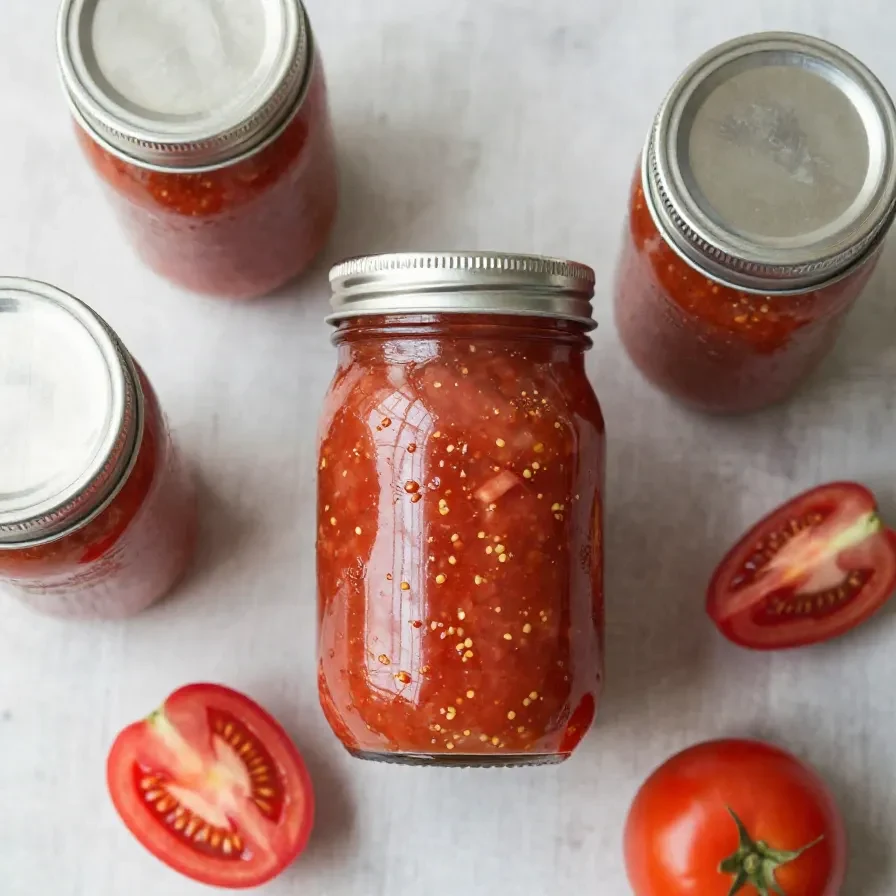
Homemade salsa to can is a cooked, water-bath canned salsa made with 10 cups of chopped tomatoes, onions, green bell peppers, jalapeños, celery, garlic, tomato paste, bottled lemon juice, and spices, ready in about 1 hour and 15 minutes. This Canning Homemade Salsa Recipe makes about 6 to 8 pint jars and gives you a safe way to preserve tomato-season flavor for up to 1 year.
This Homemade Salsa Canning Guide keeps the texture chunky, the seasoning balanced, and the acidity steady with bottled lemon juice. The simmered base thickens enough for canning without losing the fresh bite from the tomatoes, peppers, and cilantro.
I tested this Homemade Salsa For Canning with the kind of batch that fills the kitchen with chopped tomato and garlic aroma fast, and the timing stayed predictable from jar to jar. Jana
Table of Contents
- What makes How to Make and Can Homemade Salsa special?
- What ingredients do you need for How to Make and Can Homemade Salsa?
- How do you make How to Make and Can Homemade Salsa step by step?
- Frequently Asked Questions About How to Make and Can Homemade Salsa
- What easy swaps can you use in this salsa?
- What expert tips help this salsa can safely?
- What should you serve with this salsa?
- Where does this style of salsa come from?
What makes How to Make and Can Homemade Salsa special?
How to Make and Can Homemade Salsa works because it balances chunky vegetables, bottled lemon juice, and a 15-minute boiling-water process for shelf-stable results. It is a practical Homemade Salsa Canning Recipe for people who want a bold, cooked salsa that stays safe in sealed jars for up to 1 year.
- It keeps the acidity clear and measurable. The 1 cup of bottled lemon juice is what helps this Homemade Salsa To Can stay within a safe canning range. I do not swap in fresh lemon juice here because tested canning recipes rely on known acidity.
- It stays thick enough for jars. Tomato paste plus a 30-minute uncovered simmer helps reduce excess liquid. That gives you a salsa that spoons well instead of separating into watery juice and solids.
- It uses a water-bath process correctly. The jars are processed for 15 minutes in boiling water, which is the method this salsa is designed for. This is not a pressure-canning recipe, so I keep the process exactly as written.
- It fits long storage without losing flavor quickly. Sealed jars can be stored in a cool, dark place for up to 1 year. That makes it useful when tomatoes are abundant and you want a Homemade Salsa Canning Guide you can repeat confidently.
The flavor stays grounded in tomatoes, cumin, oregano, and cilantro, so every jar tastes like the same tested batch. When I made this for my own pantry, the clean lemon brightness helped the spices stay defined after processing.
What ingredients do you need for How to Make and Can Homemade Salsa?
How to Make and Can Homemade Salsa uses a short list of fresh vegetables, tomato paste, bottled lemon juice, and dried spices to create a safe canned salsa. The exact ingredient amounts matter because this Diy Salsa For Canning depends on tested proportions for both texture and acidity.
- 10 cups peeled, cored, and chopped tomatoes
- 2 cups chopped onions
- 2 cups chopped green bell peppers
- 1 to 2 chopped jalapeño peppers, seeded for milder salsa
- 1 1/2 cups chopped celery
- 6 cloves garlic, minced
- 2 cans (6 ounces each) tomato paste
- 1 cup bottled lemon juice
- 1 tablespoon salt
- 1 tablespoon ground cumin
- 1 tablespoon dried oregano
- 1 teaspoon black pepper
- 1/2 cup chopped fresh cilantro
- Optional: 1 to 2 tablespoons sugar, to balance acidity
- Hot water for processing jars
The bottled lemon juice matters most because it supports safe canning in a way fresh juice cannot always guarantee. Tomato paste matters too because it deepens body and helps this Homemade Salsa For Canning hold its shape after the 30-minute simmer.
How do you make How to Make and Can Homemade Salsa step by step?
How to Make and Can Homemade Salsa is made by preparing canning equipment, simmering the vegetables with seasonings, filling hot jars, and processing them in a boiling water canner for 15 minutes. The method is straightforward, but the order matters because hot salsa, hot jars, and correct headspace all support a safe seal.
Step 1 — Prepare the canning setup
Prepare a boiling water canner, canning jars, lids, and bands before you start the salsa. Wash the jars and keep them hot until you are ready to fill them, because hot jars help reduce temperature shock during jarring.
Step 2 — Combine the vegetables
Combine the tomatoes, onions, green bell peppers, jalapeños, celery, and garlic in a large nonreactive pot. I use a roomy pot for this Homemade Salsa Canning Recipe so the vegetables can cook evenly without scorching on the bottom.
Step 3 — Add the seasonings and acidity
Stir in the tomato paste, bottled lemon juice, salt, cumin, oregano, black pepper, cilantro, and sugar if you are using it. This is where How to Make and Can Homemade Salsa gets its steady, tested flavor and its canning-safe acidity.
Step 4 — Simmer until thickened
Bring the mixture to a boil over medium-high heat, then reduce the heat and simmer uncovered for 30 minutes, stirring occasionally. The uncovered simmer lets some water cook off, which helps prevent watery salsa in the jar.


Step 5 — Taste and keep it hot
Taste carefully and adjust seasoning if needed, keeping the mixture hot. A hot filling helps maintain temperature when you ladle it into jars, and it also keeps this Homemade Salsa To Can ready for the canner without delay.
Step 6 — Fill the jars
Ladle the hot salsa into hot jars, leaving 1/2 inch of headspace. Remove air bubbles, wipe the rims, and secure the lids and bands fingertip-tight so each jar has room to vent during processing.
Step 7 — Process and cool the jars
Process the jars in a boiling water canner for 15 minutes, adjusting for altitude if necessary. Turn off the heat, let the jars rest in the canner for 5 minutes, then move them to a towel-lined surface for 12 to 24 hours before checking seals and storing them.
Frequently Asked Questions About How to Make and Can Homemade Salsa
Can I use fresh lemon juice instead of bottled lemon juice?
No, bottled lemon juice is the safer choice here because it has a standardized acidity level. This Homemade Salsa Canning Guide depends on that measured acidity, so I keep the 1 cup of bottled lemon juice exactly as written.
Is this salsa processed in a water bath or a pressure canner?
It is processed in a boiling water canner for 15 minutes. This Homemade Salsa Canning Recipe is designed for water-bath canning, not pressure canning, so I follow the recipe card exactly.
How do I know if the jars sealed properly?
The lids should be concave and should not flex when pressed after cooling. After 12 to 24 hours, I check each jar, label the sealed ones, and refrigerate any unsealed jar for use within 1 to 2 weeks.
Why is my salsa watery after canning?
Watery salsa usually means the mixture did not reduce enough before filling. A full 30-minute uncovered simmer helps control excess liquid, which is why I follow that timing closely in How to Make and Can Homemade Salsa.
Can I reduce the amount of jalapeño peppers?
Yes, you can use 1 jalapeño instead of 2 for milder salsa. Seeded peppers also reduce heat, while still keeping the flavor of this Homemade Salsa For Canning balanced.
What easy swaps can you use in this salsa?
A few small substitutions can fit pantry needs without turning this into a different recipe. Any swap for How to Make and Can Homemade Salsa should keep the same canning method and should not change the tested acidity balance.
- Use 1 jalapeño instead of 2. This lowers heat and keeps the texture the same. The salsa tastes milder but still carries the pepper flavor that works well in Homemade Salsa To Can.
- Add 1 to 2 tablespoons sugar if the tomatoes taste sharp. Sugar softens acidity without making the salsa sweet. It rounds out the edge when the tomatoes are especially tangy.
- Seed the jalapeños for a gentler finish. This cuts back on heat but keeps the pepper pieces visible in the jar. It is a simple way to tailor Homemade Salsa For Canning for people who prefer less bite.
What expert tips help this salsa can safely?
A few focused habits make this Homemade Salsa Canning Recipe easier to manage and safer to store. I use them because they cut down on jar failure, keep the salsa hot, and help the texture stay consistent from the first jar to the last.
- Keep the jars hot until filling. Hot jars reduce the chance of temperature shock when the salsa goes in. That helps the canning process move smoothly and supports better sealing.
- Do not skip the 5-minute rest in the canner. That short rest helps pressure equalize inside the jars after the heat turns off. It can reduce siphoning, where liquid escapes from the jars.
- Leave exactly 1/2 inch of headspace. Too little space can cause overflow, while too much can affect the seal. I measure this carefully every time I jar salsa for canning.
- Store sealed jars in a cool, dark place. Light and heat can shorten storage quality over time. For How to Make and Can Homemade Salsa, proper storage helps the jars keep well for up to 1 year.
What should you serve with this salsa?
Homemade Salsa To Can is easy to open and serve because it is already cooked and seasoned. A single jar works well for quick meals, casual snacking, and simple pantry cooking when you want a ready condiment with measured acidity and steady texture.
- Serve it chilled or at room temperature. The flavor is clear either way, and the tomato, cumin, and oregano stay easy to taste. This is the simplest way to enjoy How to Make and Can Homemade Salsa right after opening.
- Use it as a topping for eggs or rice bowls. The thick texture clings well and does not run off the plate. That makes each spoonful practical for weeknight meals.
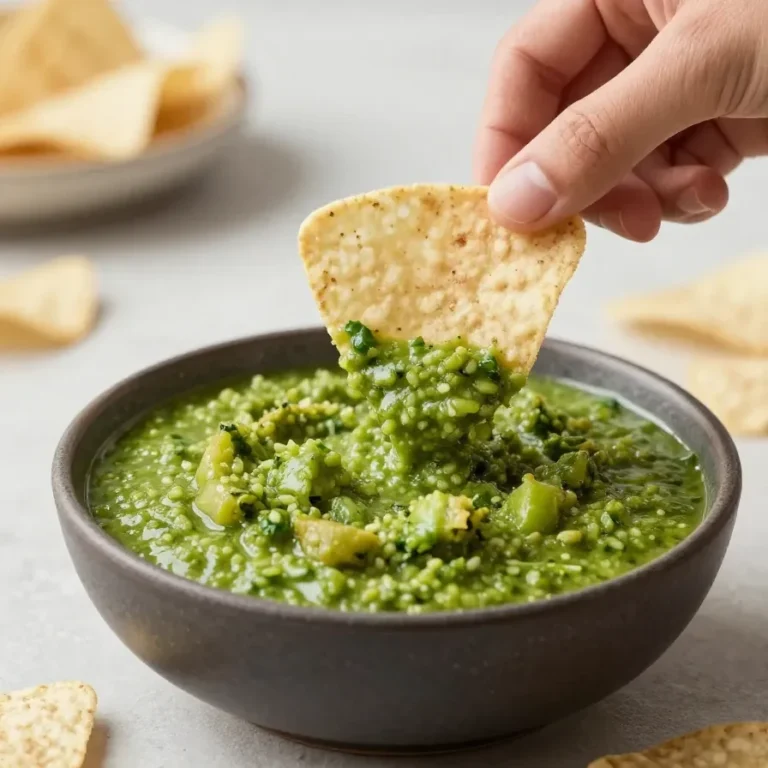
- Offer it with chips for an easy pantry snack. The small tomato pieces and jalapeño heat make each scoop balanced. I have served it this way when I want something fast and dependable for guests.
- Stir it into cooked beans or taco fillings. The lemon juice and spices brighten the mixture without requiring extra seasoning. That is one reason I keep a few jars of Homemade Salsa For Canning on hand.
Where does this style of salsa come from?
This style of Homemade Salsa Canning Recipe reflects the practical home-preservation approach used when tomatoes are abundant and shelf space matters. Water-bath canning is the right method for this acidic, cooked salsa, while pressure canning is used for foods that need higher-heat processing and are not acidified the same way.
Recipes like How to Make and Can Homemade Salsa became popular because they let home cooks preserve tomato harvests in 6 to 8 pint jars with a reliable process. The inclusion of bottled lemon juice is what makes this particular recipe suitable for water-bath canning, and that measured acidity is the key safety detail to keep consistent every time.
Loved this recipe? Save it to your favorite Pinterest board so you can easily find it later! ✨